
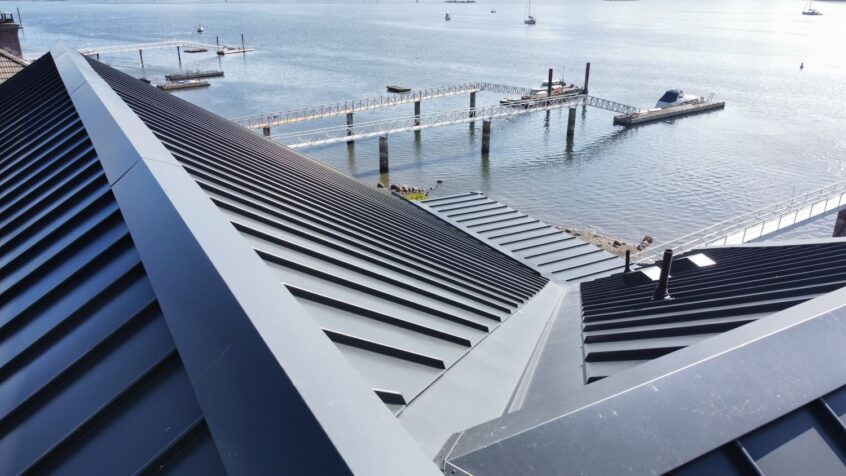
Most people consider the shingles on a house when thinking about their roofing system. While shingle condition is important to ensure a reliable roof, the flashing is actually one of the most important system parts. Why? Because a roof can have perfectly fine shingles, yet face a leak due to faulty flashing.
The function of flashing (thin metal pieces) is to protect the areas where water intrusion is most likely. Weather conditions such as rain, wind, temperature changes, and normal wear & tear all contribute to flashing degradation. Knowing when to fix or replace them will help you limit potential leaks and costly structural repairs. That’s why many of the qualified roofing contractors in Burnaby assess flashing in addition to assessing the entire roof.
What are Roofing Flashings?
Flashings are small pieces of metal placed wherever your roof has an intersection, opening, or direction change. The objective of a flashing is to direct water away from vulnerable areas.
Flashings are common surround:
- Chimneys
- Skylights
- Plumbing vents
- Roof valleys
- Dormers
- Roof-to-wall transitions
- Roof edges
When not installed properly, rainwater will find ways to seep under the roofing materials and into the roof framework, regardless of the overall health of the shingles.
How Long Roof Flashing Typically Lasts?
How long a roof flashing lasts will depend upon several things, including what type of material it is made of, how it was originally installed, and how much exposure it receives over time.
- Copper flashing tends to last longer than 50 years, since copper naturally inhibits corrosion and holds up well against weathering.
- Galvanized steel flashing generally lasts between 20-30 years. Over time, galvanized steel loses its protective coating and then develops rust, which compromises the integrity of the metal.
- Aluminum flashing normally lasts 20-30 years, but can be compromised by impact damage or movement.
- Lead flashing is also very durable and can endure for many decades when properly installed. Lead flashing, however, is less commonly found on today’s residential roofs.
Regardless of the flashing material, poor installation or extreme movement and moisture can shorten its lifespan.
What Factors Cause Roof Flashing to Degrade?
Flashings are continually exposed to different types of weather patterns. At some point in time, this weather action causes wear on both the metal composition of the flashing and the sealants used to keep water out.
There are a number of factors that could shorten the longevity of flashing:
- Prolonged heavy rains for long periods, causing increased risks of corrosion and sealant failures.
- High winds that apply stress on flashings located around roof edges and chimneys, resulting in parts of the flashing detaching from the roof surface.
- Continued cycle of freezing and thawing, which causes expansion and contraction of materials, gradually loosening fasteners and creating gaps that allow water to enter.
- Additionally, flashing degrades due to the natural process of a home settling, where the roof structure settles further, displacing the flashing and separating the joints.
- Finally, improper flashing installations are a significant contributor to premature failure. Fastener misapplication, poor overlap connections, not considering movement, or use of lower-grade sealants are just a few examples.
Identifying Problems with Your Roof Flashing
Flashings are prone to problems for many years prior to water leaking into your residence.
Look for signs such as:
- Visible signs of rust and corrosion on exposed metals
- Loosely or lifted flashings
- Damaged or missing sealant
- Water stains on ceilings or walls
- Wet insulation in attics
- Missing fasteners
- Leaks around chimney, skylight, or vents
These symptoms mean that water is currently penetrating through weak spots within the roofing assembly.
When Is a Flashing Repair Enough?
Not all flashing issues require full replacement. If the flashing remains structurally intact, a repair is often enough. The experienced roofing contractors at Canuck Roofing can reseal joints, tighten loose fasteners, secure displaced sections, and address localized damage so flashings remain functional.
Repair restores the waterproof seal while extending the functional life expectancy of existing flashings. The key is acting fast, before water damages surrounding roofing materials.
When Should Flashing Be Replaced?
Replacement is needed when the flashing has degraded beyond simple repair. This includes:
- Advanced stages of rust or corrosion
- Cracked or split metal
- Flashing separation from the roof surface
- Multiple or repeated leakage even after previous repairs
- Damage to flashings from past roof replacements
- Extensive damage near chimneys and skylights
If new shingles are being installed, replacing aging flashing at the same time is usually the wisest long-term decision. Installing new roofing materials over deteriorating flashings greatly increases the likelihood of future water intrusion and may require sections of the new roof to be removed later.
Why Professional Roof Assessment Matters
Some of the problems with flashings can be quite difficult to find from the ground. Most people don’t realize that water will enter through very small holes at the base of shingles or at joints on the roof.
A professional roof assessment will detect most of the problems related to flashing before they become large leak problems. A Burnaby licensed roofer inspects the flashing as well as all other parts of the roof, including sealants, fasteners, adjacent roofing material, and all areas that tend to collect water. Early detection of small problems protects the structural integrity of your roof and significantly minimizes the potential for costly interior damage.
Keeping Flashing in Good Condition Protects Your Home
Although flashing is technically considered one of the smallest components of your entire roofing system, it has some of the largest responsibilities. Once flashing starts to deteriorate, water is able to rapidly find its way into areas which may be costly to repair.
The benefits of performing routine assessments, repairing flashing promptly, and replacing damaged flashing before it becomes totally ineffective will provide years of protection for your roof. If you have seen rusted flashing, loose flashing, or evidence that there is water leaking into your house, it would be wise to have your roof inspected by qualified roofing professionals in Burnaby so you can avoid what could develop into a major repair.